Celebrating 80 Years: A Legacy on Display
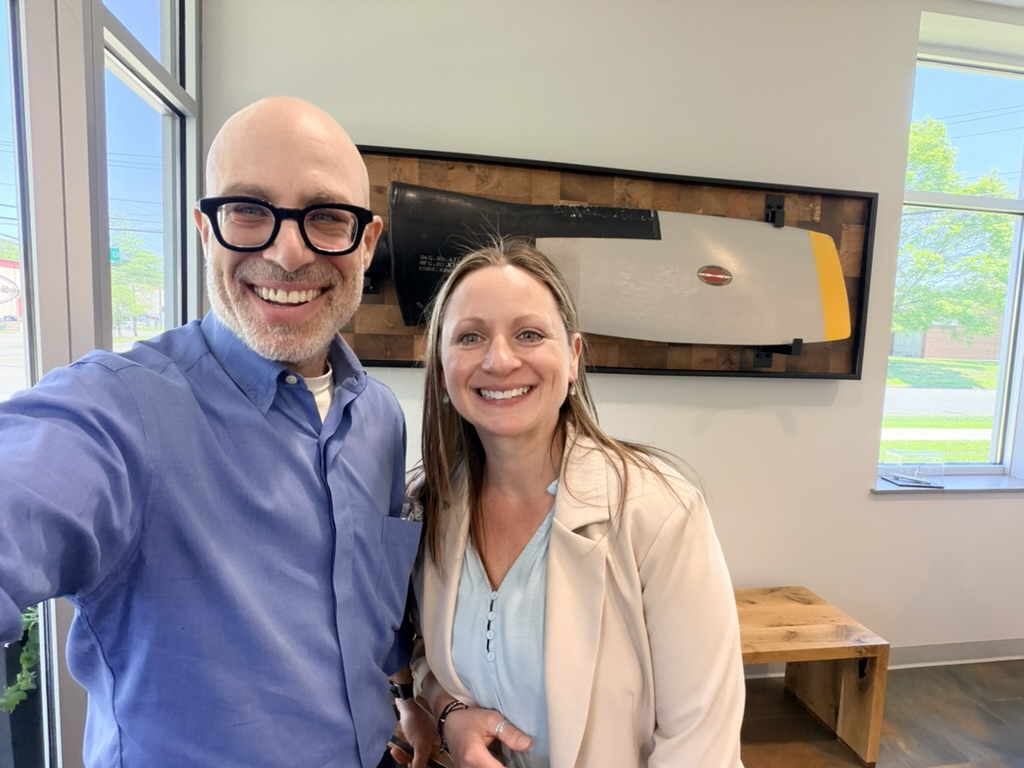
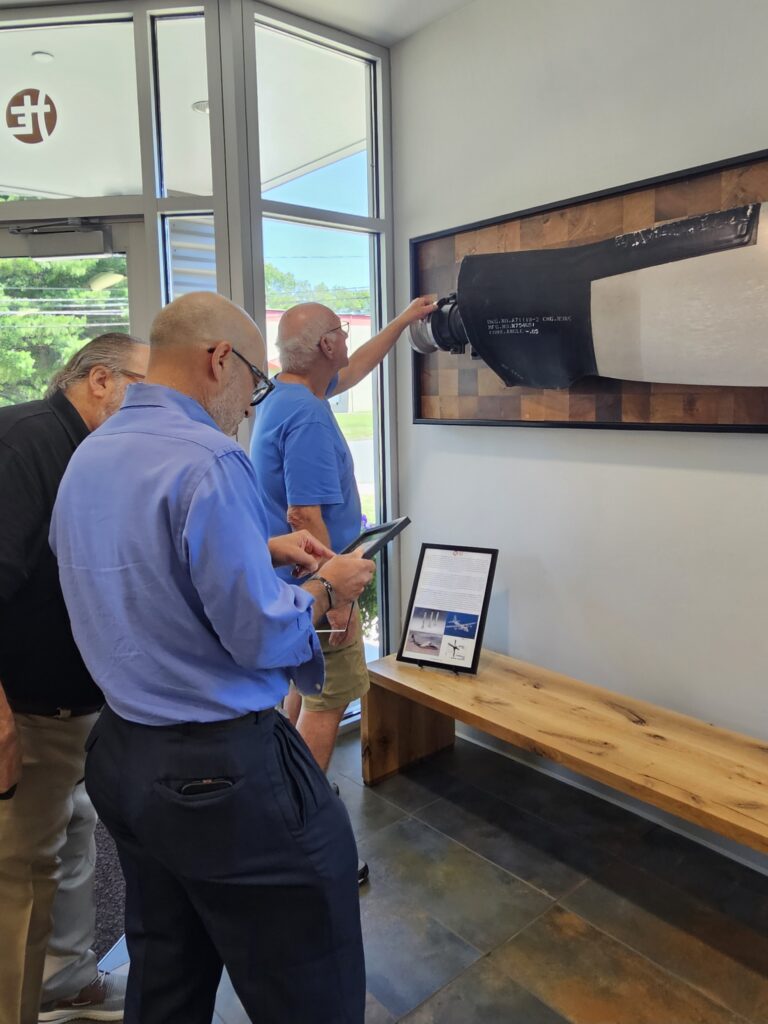
In honor of our 80th anniversary, we dedicated a new lobby display. There is much history with this project and it has been more than 20 years in the making.

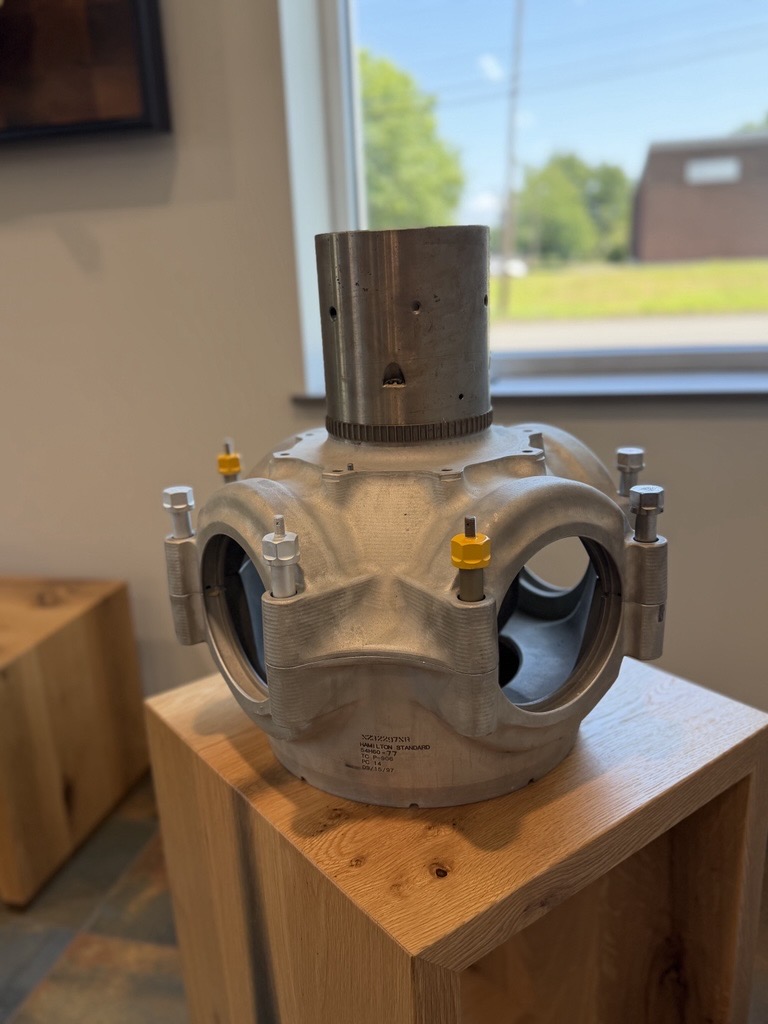
For nearly 50 years, we have produced “Barrel Bolts” and “Barrel Nuts” along with many other important components for the 54H60 propeller system that powers the C-130 Hercules. The display includes a battle-tested propeller blade and hub that were provided by Hamilton Standard (now Collins Aerospace) after a request to share examples of where our parts go. The items remained in storage because the display was only an idea until now.
The C-130 is an American four-engine turboprop military transport aircraft. It was originally designed as a troop, medevac, and cargo transport. The versatile airframe has found uses in a variety of other roles, including as a gunship for airborne assault, search and rescue, scientific research support, weather reconnaissance, aerial refueling, maritime patrol, and aerial firefighting. More than 40 variants of the Hercules, including civilian versions operate in more than 60 nations.
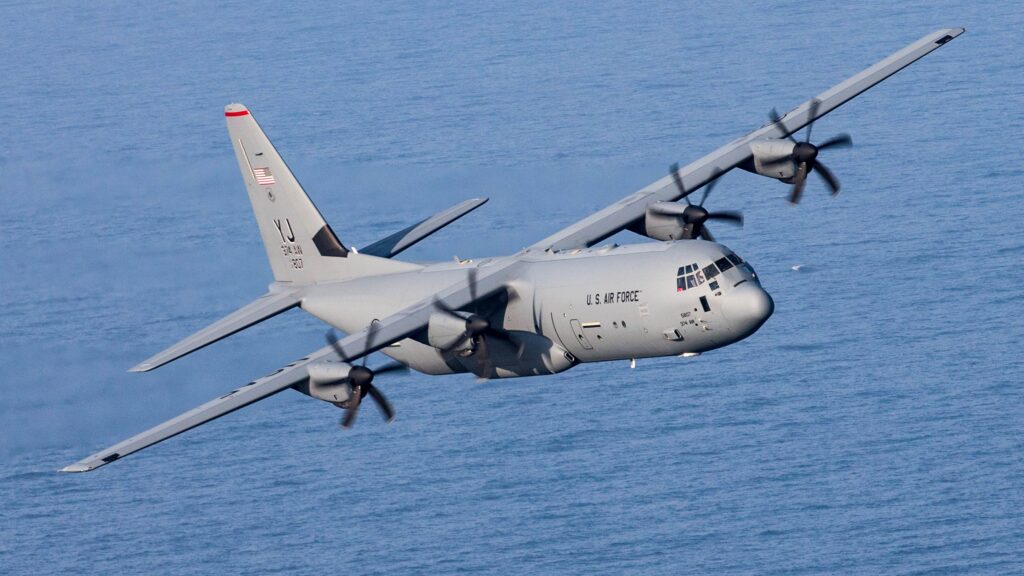
Courtesy of Wikipedia
The C-130 entered service with the U.S. in 1956. The C-130 Hercules is the longest continuously produced military aircraft at over 70 years, with the updated Lockheed Martin C-130J Super Hercules currently being produced. This latest version does not have the 54H60 prop, but there are hundreds of legacy aircraft still in service.
Each hub has eight bolts and there are four hubs mated to the four engines on the plane which means there are 32 bolts per aircraft. The bolts are a “wear item” with significant spare parts demand. These parts go through a variety of machining, grinding, and forming process steps. They have close tolerance diameters, and have rolled threads, for high strength. They require special processes including heat treatment, MPI, shot peening, and cadmium plating. They are serial numbered, designated as Flight Safety, and are among the most iconic parts in our portfolio.

The display, bench, and plinth were made from white oak, by City-Bench, a family business in Higganum, Connecticut. Each year, millions of historic trees come down across the country due to weather, development, and disease.

City Bench works to intercept this valuable resource and transform it into uniquely handcrafted furniture, embedded with a story for generations. Over the years, City-Bench has produced many items for HORST Engineering.
City-Bench collaborated with Kaswell Flooring Systems of Ashland, Massachusetts. Like HORST Engineering, Kaswell is a third-generation family business, and was also founded in 1946. Kaswell supplied the white oak blocks that were water-recovered from the bottom of Lake Superior.
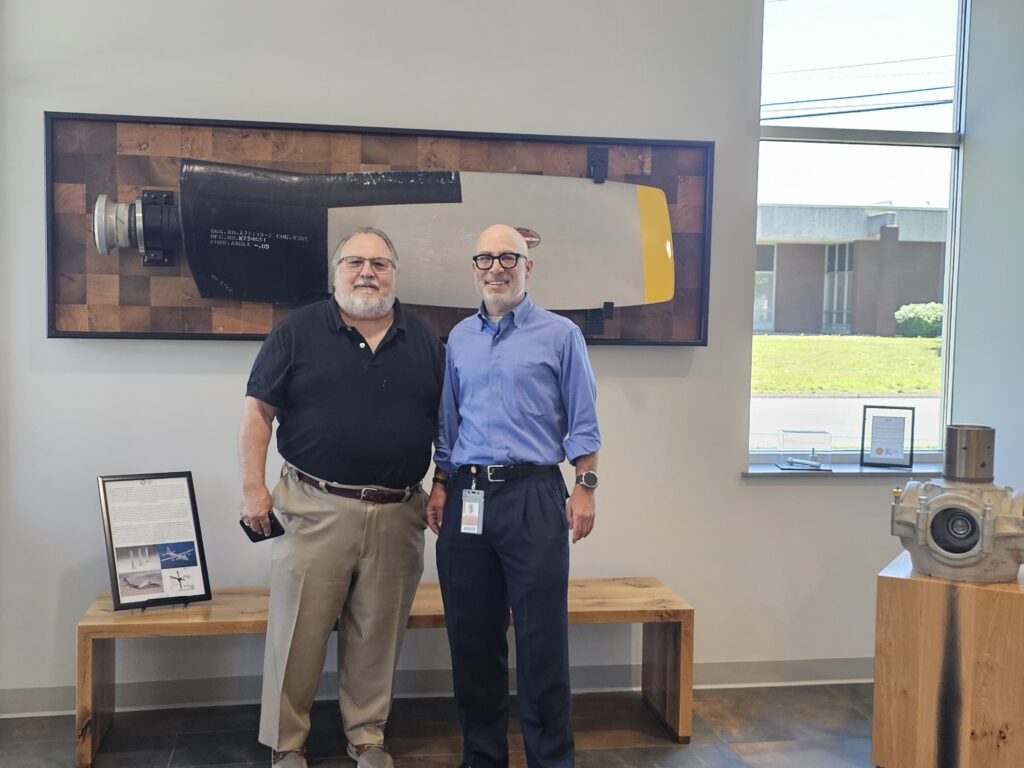
HORST is no stranger to Kaswell as they were one of the wood block flooring suppliers that built our floors at the legacy 36 Cedar St. plant in the 1950’s. End grain wood blocks were found in many factories of this era.
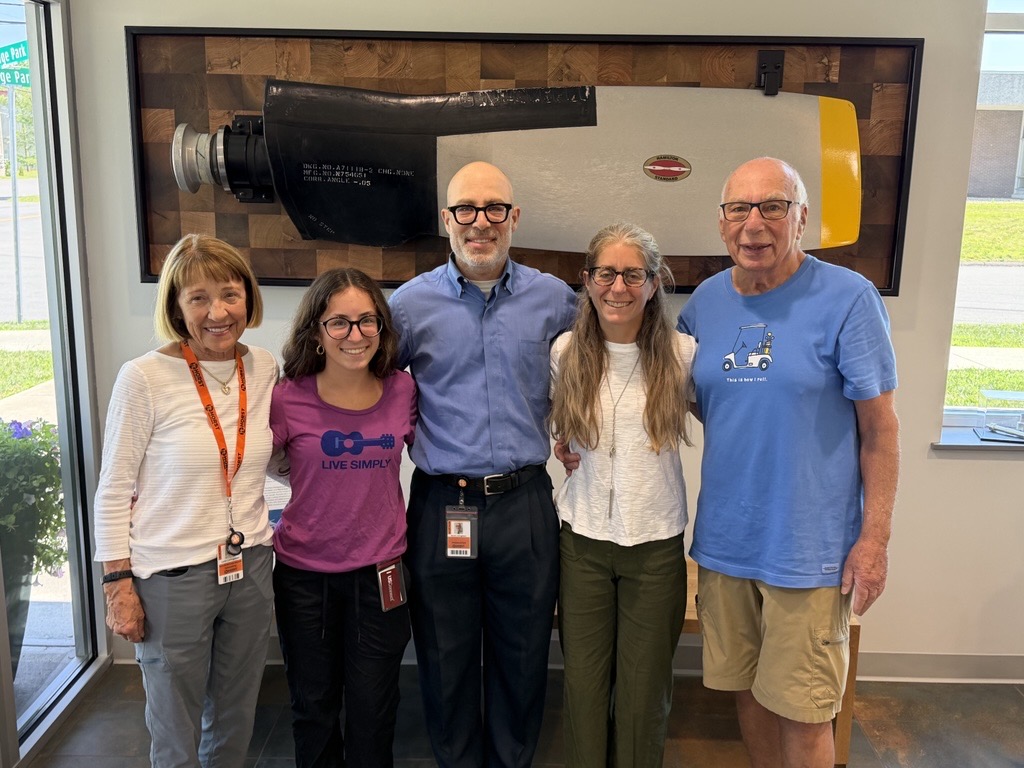
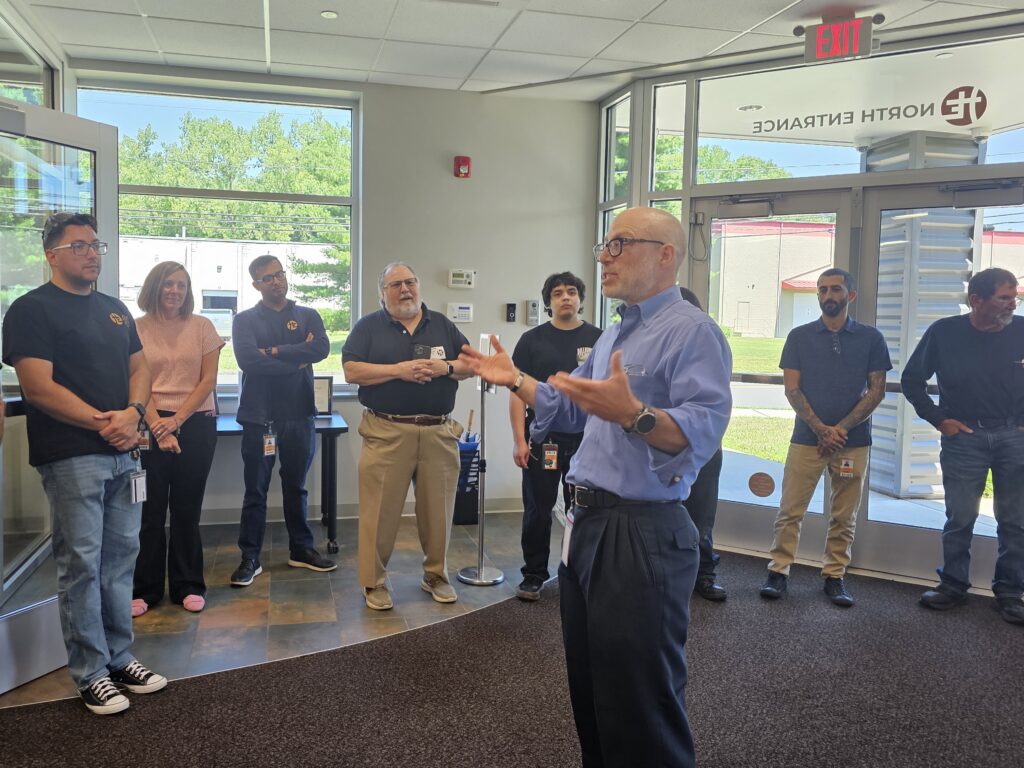
The ceremony included the dedicated, knowledgeable, and skilled employees of Team HORST who make such amazing and high-quality parts.
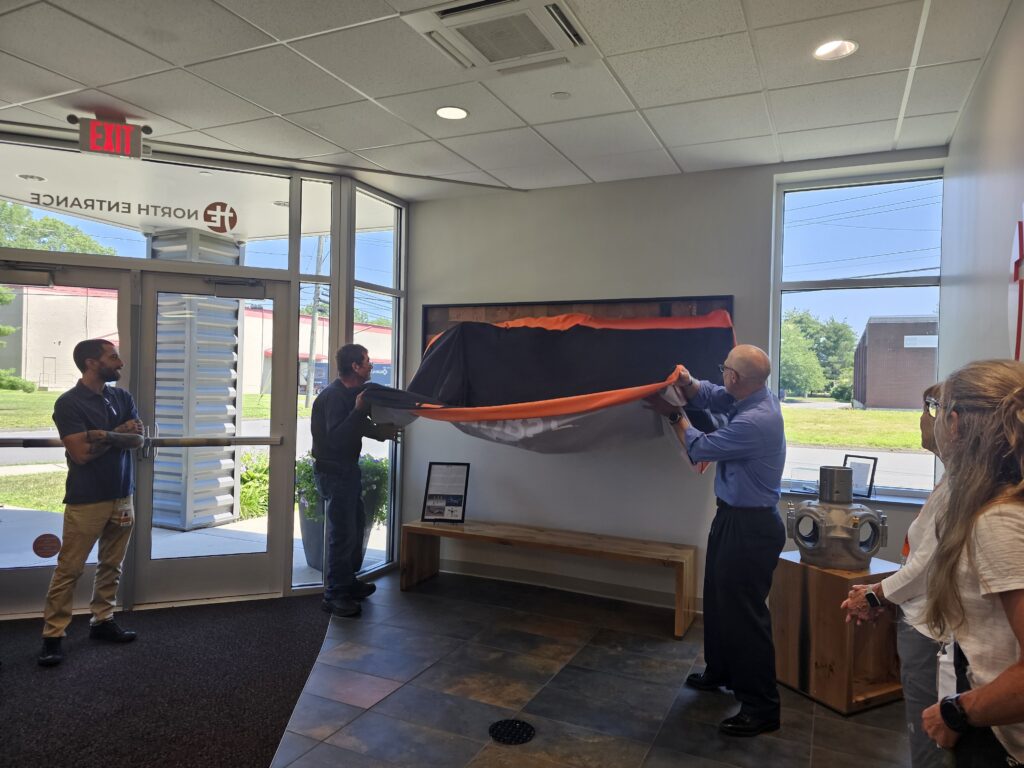
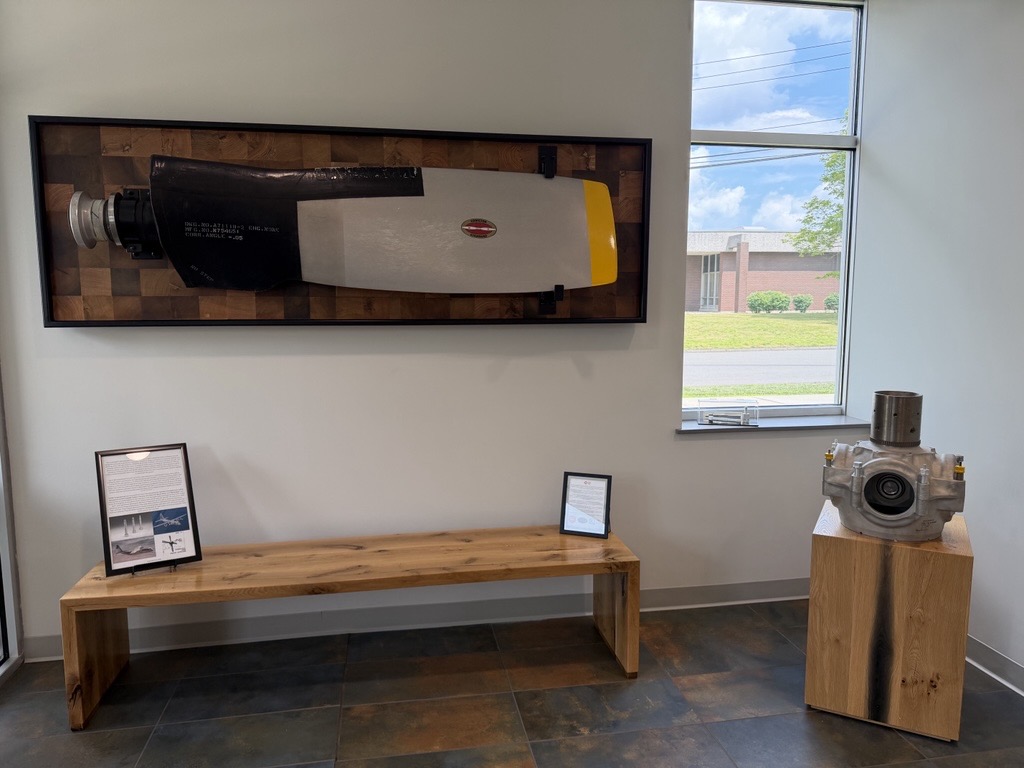
Three small family businesses and one global aerospace components company came together to produce this one-of-a-kind display.